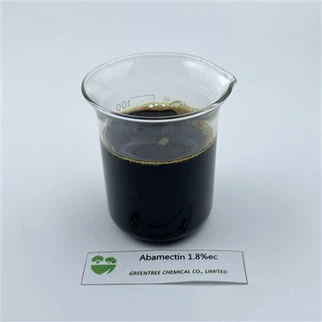
is an organophosphorus insecticide, mainly used to control agricultural pests. The following are its main applications:

1. Control targets
Rice pests: such as rice planthoppers and rice leaf rollers.
Vegetable pests: such as cabbage worms and diamondback moths.
Fruit tree pests: such as aphids and red spiders.
Cotton pests: such as cotton bollworms and pink bollworms.
2. Usage method
Spraying method: dilute thiocyclam in proportion and spray it on crops.
Seed dressing method: used for seed treatment to control underground pests.
Soil treatment: directly applied to the soil to control underground pests.
3. Precautions
Safety interval: The safety interval must be observed before harvest to avoid residues.
Protective measures: Wear protective equipment when using, avoid contact with skin and inhalation.
Environmental safety: avoid polluting water sources and protect beneficial insects such as bees.
4. Storage and handling
Storage: Keep in a cool, dry place, away from children and food.
Waste disposal: Dispose of packaging and residues in accordance with local regulations to avoid environmental pollution.
5. Regulatory compliance
Before use, you need to understand and comply with local pesticide use regulations.
Thiocyclam is effective in agricultural pest control, but attention should be paid to safe use and environmental protection.